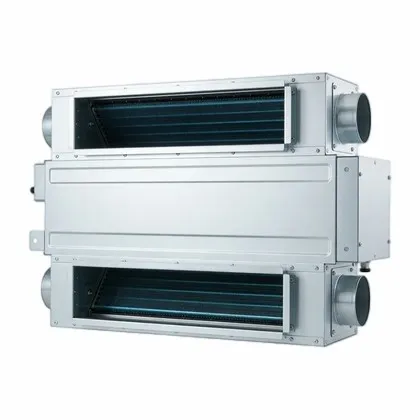
Is a commercial ERV system noisy?
 Aug 19, 2026|
When it comes to commercial ERV (Energy Recovery Ventilation) systems, one of the most frequently asked questions is, "Is a commercial ERV system noisy?" As a supplier of commercial ERV systems, I understand the importance of addressing this concern. In this blog post, I'll delve into the factors that contribute to the noise level of commercial ERV systems, debunk some common myths, and provide insights on how to ensure a quiet and efficient ventilation solution.
Understanding the Basics of Commercial ERV Systems
Before we discuss the noise aspect, let's briefly understand what a commercial ERV system is. An ERV system is designed to exchange the indoor air with fresh outdoor air while recovering the energy from the exhaust air. This process helps in maintaining a healthy indoor environment by removing pollutants, controlling humidity, and reducing energy consumption. Commercial ERV systems are typically used in large buildings such as offices, schools, hospitals, and commercial kitchens, where proper ventilation is crucial for the well - being of occupants.
Factors Affecting the Noise Level of Commercial ERV Systems
- Fan Design and Operation
The fans in a commercial ERV system are one of the primary sources of noise. The type of fan, its size, and the speed at which it operates all play a role in determining the noise level. Centrifugal fans, for example, are commonly used in commercial ERV systems. They can generate a significant amount of noise, especially when operating at high speeds. However, modern fan designs have incorporated features such as aerodynamic blades and variable speed controls to reduce noise. Variable speed fans can adjust their speed based on the ventilation requirements, which not only saves energy but also reduces noise levels when the system is operating at lower capacities. - Ductwork and Installation
The ductwork in a commercial ERV system can also contribute to noise. Improperly sized or installed ducts can cause air turbulence, which in turn generates noise. Leaky ducts can also allow air to escape, creating a whistling or hissing sound. To minimize noise from ductwork, it is essential to ensure proper sizing, installation, and sealing. Using flexible ducts and sound - absorbing materials can also help in reducing noise transmission. - Location and Mounting
The location of the commercial ERV system and how it is mounted can affect the noise level. If the system is installed in a noisy area, such as near a mechanical room or a busy street, the ambient noise can mask the sound of the ERV system. However, if the system is installed in a quiet area, such as a conference room or a patient's room in a hospital, even a small amount of noise can be noticeable. Mounting the system on vibration - isolating pads can help reduce the transmission of vibrations and noise. - Airflow Resistance
High airflow resistance in the system can cause the fans to work harder, resulting in increased noise. This can be due to clogged filters, narrow ducts, or improper air distribution. Regular maintenance, including filter replacement and duct cleaning, can help reduce airflow resistance and keep the noise level in check.
Debunking Common Myths
- Myth: All Commercial ERV Systems Are Noisy
This is a common misconception. While some older or poorly designed systems may be noisy, modern commercial ERV systems are engineered to operate quietly. Manufacturers are constantly improving the design of fans, ductwork, and other components to reduce noise levels. Many commercial ERV systems now come with noise - reducing features such as insulated cabinets and low - noise fans. - Myth: Noise Is a Sign of a High - Performance System
Noise is not necessarily an indicator of a high - performance system. In fact, excessive noise can be a sign of inefficiency or a problem with the system. A well - designed and properly installed commercial ERV system should be able to provide adequate ventilation without generating excessive noise.
Ensuring a Quiet Commercial ERV System
- Choose the Right System
When selecting a commercial ERV system, it is important to consider the noise level. Look for systems that are specifically designed for quiet operation. Many manufacturers provide noise ratings for their products, which can help you compare different models. You can also read customer reviews and testimonials to get an idea of the actual noise level of the system. - Proper Installation
A professional installation is crucial for ensuring a quiet commercial ERV system. An experienced installer will be able to properly size the ductwork, seal any leaks, and mount the system on vibration - isolating pads. They will also ensure that the system is installed in a location that minimizes noise transmission. - Regular Maintenance
Regular maintenance is essential for keeping the commercial ERV system operating quietly. This includes cleaning or replacing filters, checking the fans for proper operation, and inspecting the ductwork for any signs of damage or blockage. By keeping the system in good condition, you can prevent issues that can lead to increased noise.
The Importance of a Quiet Commercial ERV System
A quiet commercial ERV system is not only important for the comfort of the occupants but also for the overall productivity and well - being of the building. In a noisy environment, it can be difficult for people to concentrate, communicate, and relax. Noise can also cause stress and fatigue, which can have a negative impact on health. By providing a quiet and healthy indoor environment, a commercial ERV system can help improve the quality of life for the occupants.
Related Products and Services
If you are interested in learning more about industrial air filtration and ventilation, you can visit our Industrial Air Filtration and Ventilation page. For those looking for domestic heat recovery ventilation units, our Domestic Heat Recovery Ventilation Units page provides detailed information. And if you need a wall - mounted purifier, check out our Wall Mounted Purifier page.
Contact Us for Purchase and Consultation
If you are considering purchasing a commercial ERV system or have any questions about our products, we encourage you to reach out to us. Our team of experts is ready to assist you in finding the right solution for your specific needs. Whether you are looking for a quiet and efficient ventilation system for your office, school, or commercial building, we can provide you with the information and support you need.
References
ASHRAE Handbook - HVAC Systems and Equipment. American Society of Heating, Refrigerating and Air - Conditioning Engineers.
Manufacturer's product specifications and technical documents for commercial ERV systems.