




How does an energy recovery ventilator work in a multi - zone system?
 Jul 07, 2026|
 In modern building design, the importance of maintaining high - quality indoor air cannot be overstated. A multi - zone system is often employed in larger buildings to meet the diverse ventilation needs of different areas. An energy recovery ventilator (ERV) plays a crucial role in such systems. As an energy recovery ventilator supplier, I'm here to explain how an ERV works in a multi - zone system.
Understanding the Basics of an Energy Recovery Ventilator
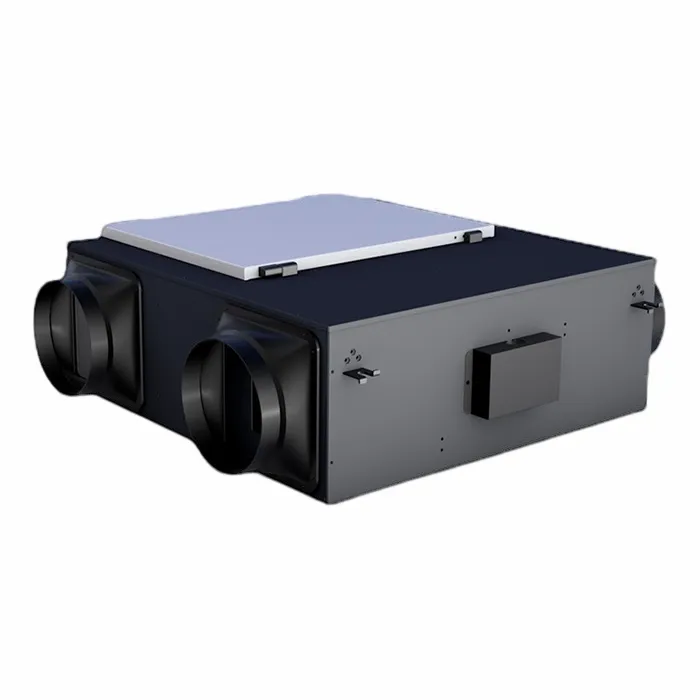
An energy recovery ventilator is a device that exchanges heat and moisture between the incoming fresh air and the outgoing stale air. This process helps to reduce the energy consumption associated with heating or cooling the incoming air. In a multi - zone system, the goal is to provide individualized ventilation and comfort for each zone while maximizing energy efficiency.
The core component of an ERV is the heat exchanger. There are different types of heat exchangers, such as plate - type and rotary - type. Plate - type heat exchangers are made of thin plates that separate the incoming and outgoing air streams. As the two air streams flow in opposite directions on either side of the plates, heat and moisture are transferred between them. Rotary - type heat exchangers, on the other hand, use a rotating wheel coated with a desiccant material. The wheel rotates between the incoming and outgoing air streams, absorbing heat and moisture from one stream and releasing it to the other.
How an ERV Functions in a Multi - Zone System
In a multi - zone system, each zone has its own set of ventilation requirements based on factors like occupancy, usage, and the presence of heat - generating equipment. The ERV is connected to a network of ducts that distribute fresh air to each zone and collect stale air for exhaust.
Air Intake and Distribution
The process starts with the intake of fresh outdoor air. The ERV draws in this air through an intake duct. Before entering the heat exchanger, the incoming air passes through a filter to remove dust, pollen, and other particulate matter. The filtered air then enters the heat exchanger, where it exchanges heat and moisture with the outgoing stale air.
Once the heat exchange process is complete, the pre - conditioned fresh air is sent to the different zones through a series of ducts. Dampers are installed in the ducts to control the amount of air flowing into each zone. These dampers can be adjusted based on the specific ventilation needs of each zone. For example, a zone with a high occupancy may require more fresh air than a less - occupied zone.

Exhaust of Stale Air
At the same time, the stale air from each zone is collected through return ducts. This air contains pollutants, moisture, and heat generated by the occupants and equipment in the zone. The stale air is then directed to the heat exchanger, where it transfers its heat and moisture to the incoming fresh air. After the heat exchange, the exhausted air is expelled outside through an exhaust duct.
Control and Monitoring
To ensure optimal performance in a multi - zone system, an ERV is often equipped with a control system. This system can monitor the temperature, humidity, and air quality in each zone. Based on the data collected, the control system can adjust the operation of the ERV, including the speed of the fans and the position of the dampers. For example, if the humidity in a particular zone is too high, the control system can increase the ventilation rate in that zone to reduce the moisture level.
Benefits of Using an ERV in a Multi - Zone System
Energy Efficiency
One of the main advantages of using an ERV in a multi - zone system is energy savings. By recovering heat and moisture from the outgoing air, the ERV reduces the amount of energy required to heat or cool the incoming fresh air. This can lead to significant cost savings on energy bills, especially in large buildings with high ventilation requirements.
Improved Indoor Air Quality
An ERV helps to maintain a constant supply of fresh air in each zone, which is essential for the health and comfort of the occupants. By removing pollutants, such as carbon dioxide, volatile organic compounds (VOCs), and particulate matter, the ERV improves the overall indoor air quality. This can reduce the risk of respiratory problems and other health issues associated with poor air quality.
Comfort and Flexibility
In a multi - zone system, an ERV allows for individualized control of ventilation in each zone. This means that occupants can adjust the ventilation rate and temperature according to their preferences. For example, in an office building, different zones may have different lighting and equipment, which can generate different amounts of heat. The ERV can adjust the ventilation in each zone to maintain a comfortable environment.
Applications of ERVs in Different Industries
Residential Buildings
In residential buildings, an ERV can be used to provide fresh air and maintain a comfortable indoor environment. Domestic Heat Recovery Ventilation Units are designed to meet the specific needs of homes, such as small - scale ventilation and energy efficiency. These units can be installed in attics, basements, or utility rooms and are connected to the existing ductwork.
Commercial Buildings
Commercial buildings, such as offices, schools, and hospitals, have high ventilation requirements due to the large number of occupants and the presence of various equipment. An ERV in a commercial multi - zone system can help to reduce energy consumption and improve indoor air quality. For example, in a hospital, an ERV can prevent the spread of airborne diseases by providing a constant supply of fresh air and removing contaminants from the air.
Industrial Facilities
In industrial facilities, Industrial Air Filtration and Ventilation is crucial for maintaining a safe and healthy working environment. An ERV can be used to remove pollutants, such as dust, fumes, and chemicals, from the air. It can also help to control the temperature and humidity in different zones of the facility, which is important for the proper functioning of equipment and the well - being of workers.
Choosing the Right ERV for a Multi - Zone System
When selecting an ERV for a multi - zone system, several factors need to be considered. These include the size of the building, the number of zones, the ventilation requirements of each zone, and the climate in which the building is located.
The capacity of the ERV should be sufficient to meet the ventilation needs of all the zones in the building. It is important to calculate the total volume of air that needs to be exchanged per hour based on the occupancy and usage of each zone. Additionally, the efficiency of the heat exchanger is a critical factor. A more efficient heat exchanger will transfer more heat and moisture between the incoming and outgoing air, resulting in greater energy savings.
Another important consideration is the filtration system of the ERV. A high - quality filter can remove a wide range of pollutants from the air, ensuring better indoor air quality. Some ERVs are also equipped with additional features, such as air purification technologies. For example, the Breathe Smart Air Purifier can be integrated with an ERV to provide enhanced air purification.
Conclusion
An energy recovery ventilator is an essential component of a multi - zone system, offering numerous benefits in terms of energy efficiency, indoor air quality, and comfort. By understanding how an ERV works in a multi - zone system, building owners and facility managers can make informed decisions about the selection and installation of these systems.
If you are interested in purchasing an energy recovery ventilator for your multi - zone system, we are here to help. Our team of experts can provide you with detailed information about our products, including their features, performance, and pricing. Contact us today to start a discussion about your ventilation needs and find the best solution for your building.
References
ASHRAE. (2019). ANSI/ASHRAE Standard 62.1 - 2019: Ventilation for Acceptable Indoor Air Quality.
CIBSE. (2015). Guide A: Environmental Design. London: Chartered Institution of Building Services Engineers.