




How does an energy recovery ventilator perform in humid environments?
 Jun 26, 2026|
Hey there! As a supplier of energy recovery ventilators, I've been getting a lot of questions about how these nifty devices perform in humid environments. So, I thought I'd dive into the topic and share some insights.
First off, let's talk about what an energy recovery ventilator (ERV) does. In a nutshell, an ERV is a ventilation system that exchanges stale indoor air with fresh outdoor air while recovering energy in the process. It helps maintain good indoor air quality by removing pollutants, odors, and excess moisture, all while reducing energy consumption.
Now, when it comes to humid environments, the performance of an ERV can be a bit tricky. Humidity can have a significant impact on how well the ventilator works, and it's important to understand these effects to ensure optimal performance.
One of the main challenges in humid environments is moisture management. High humidity levels can cause condensation to form inside the ERV, which can lead to a variety of issues. For example, condensation can damage the internal components of the ventilator, reducing its efficiency and lifespan. It can also promote the growth of mold and mildew, which can pose health risks to occupants.
To combat these issues, many ERVs are equipped with moisture control features. These can include condensate drains, moisture sensors, and dehumidification capabilities. Condensate drains help remove excess moisture from the system, preventing it from accumulating and causing damage. Moisture sensors monitor the humidity levels inside the ventilator and adjust the operation accordingly. And dehumidification capabilities can help reduce the humidity of the incoming air, making it more comfortable and less likely to cause condensation.
Another factor to consider in humid environments is the impact of humidity on the energy recovery process. ERVs work by transferring heat and moisture between the incoming and outgoing air streams. In humid conditions, the transfer of moisture can be more challenging, as the air is already saturated with water vapor. This can reduce the efficiency of the energy recovery process and increase the energy consumption of the ventilator.
To address this issue, some ERVs are designed to optimize the energy recovery process in humid environments. For example, they may use advanced heat exchangers that are more efficient at transferring heat and moisture, even in high humidity conditions. They may also incorporate controls that adjust the operation of the ventilator based on the humidity levels, ensuring that the energy recovery process is as efficient as possible.
In addition to moisture management and energy recovery, it's also important to consider the air filtration capabilities of the ERV in humid environments. High humidity levels can promote the growth of bacteria, viruses, and other contaminants, which can pose health risks to occupants. A good ERV should be equipped with high-quality air filters that can remove these contaminants from the incoming air, ensuring that the indoor air is clean and healthy.
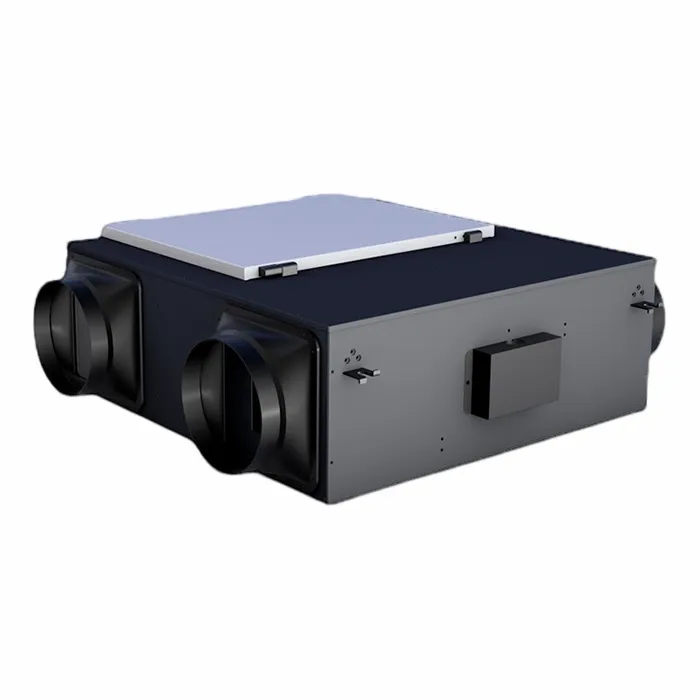

Now, let's take a look at some of the specific products that we offer as an energy recovery ventilator supplier. We have a range of options to suit different needs and applications, including Domestic Heat Recovery Ventilation Units for residential use, Breathe Smart Air Purifier for improving indoor air quality, and Industrial Air Filtration and Ventilation solutions for commercial and industrial settings.
Our domestic heat recovery ventilation units are designed to provide efficient and effective ventilation for homes. They feature advanced heat exchangers that can recover up to 90% of the energy in the outgoing air, reducing energy consumption and saving you money on your heating and cooling bills. They also come with built-in moisture control features, such as condensate drains and moisture sensors, to ensure optimal performance in humid environments.
The Breathe Smart Air Purifier is a powerful air purification system that can remove a wide range of contaminants from the air, including dust, pollen, smoke, and pet dander. It uses advanced filtration technology to capture and remove these contaminants, ensuring that the indoor air is clean and healthy. It also has a built-in humidity sensor that can adjust the operation of the purifier based on the humidity levels, ensuring that the air is not too dry or too humid.
Our industrial air filtration and ventilation solutions are designed to meet the specific needs of commercial and industrial settings. They feature high-capacity air filters that can remove a large volume of contaminants from the air, ensuring that the indoor air is clean and safe for employees. They also come with advanced controls that can adjust the operation of the ventilation system based on the specific requirements of the facility, ensuring optimal performance and energy efficiency.
So, if you're looking for an energy recovery ventilator that can perform well in humid environments, we've got you covered. Our products are designed to provide efficient and effective ventilation, while also addressing the challenges of high humidity levels. Whether you're looking for a residential, commercial, or industrial solution, we have the expertise and experience to help you find the right product for your needs.
If you're interested in learning more about our energy recovery ventilators or have any questions about how they perform in humid environments, please don't hesitate to contact us. We'd be happy to discuss your specific needs and provide you with a customized solution. Let's work together to create a healthier and more comfortable indoor environment for you and your family or employees.
References:
-ASHRAE Handbook - HVAC Systems and Equipment
-Institute of Air Quality Sciences (IAQS) research papers on indoor air quality and ventilation in humid environments.